

Priva-Tech Privacy Series
Privacy Your Way, Designed Into Glass
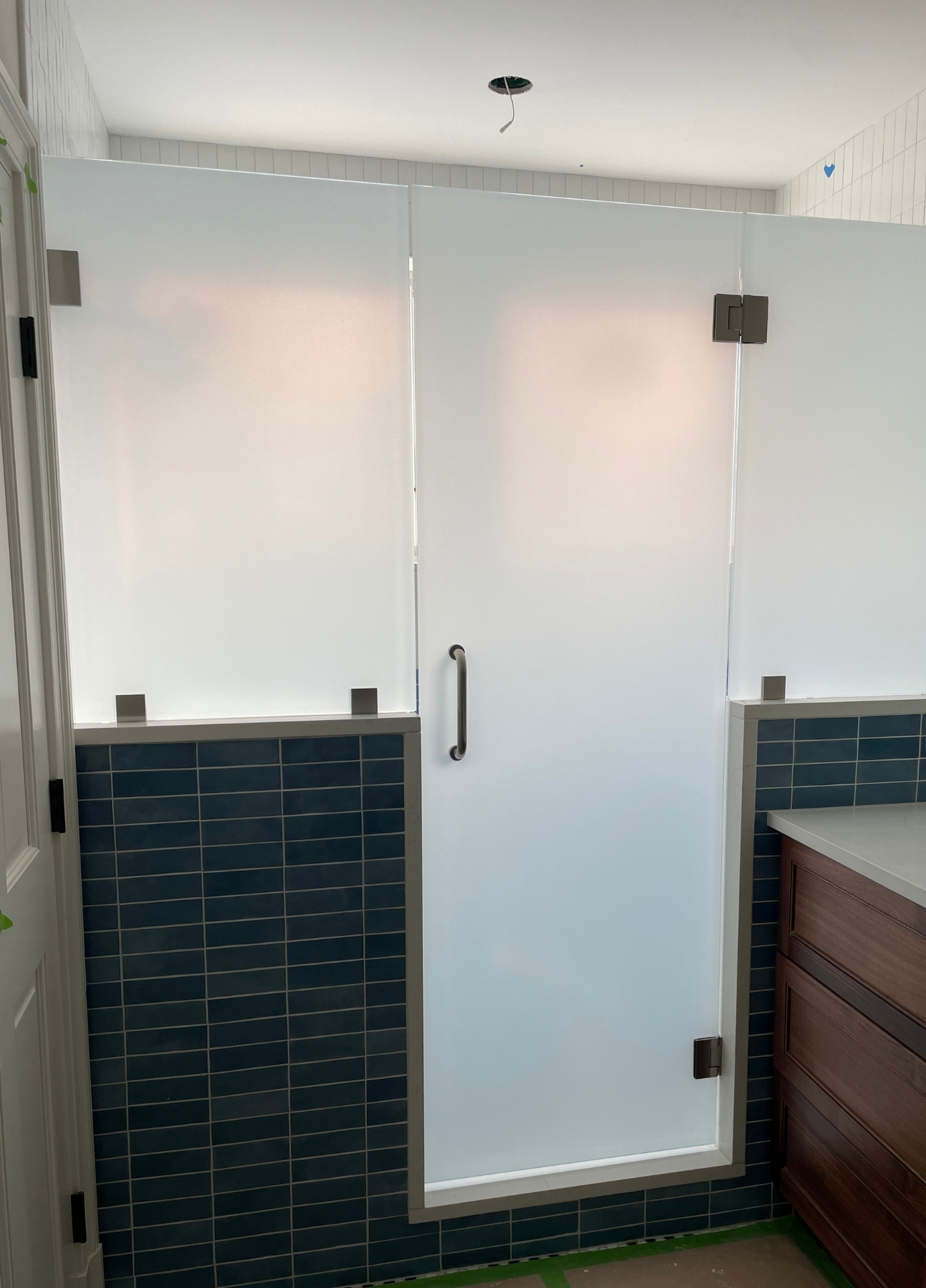
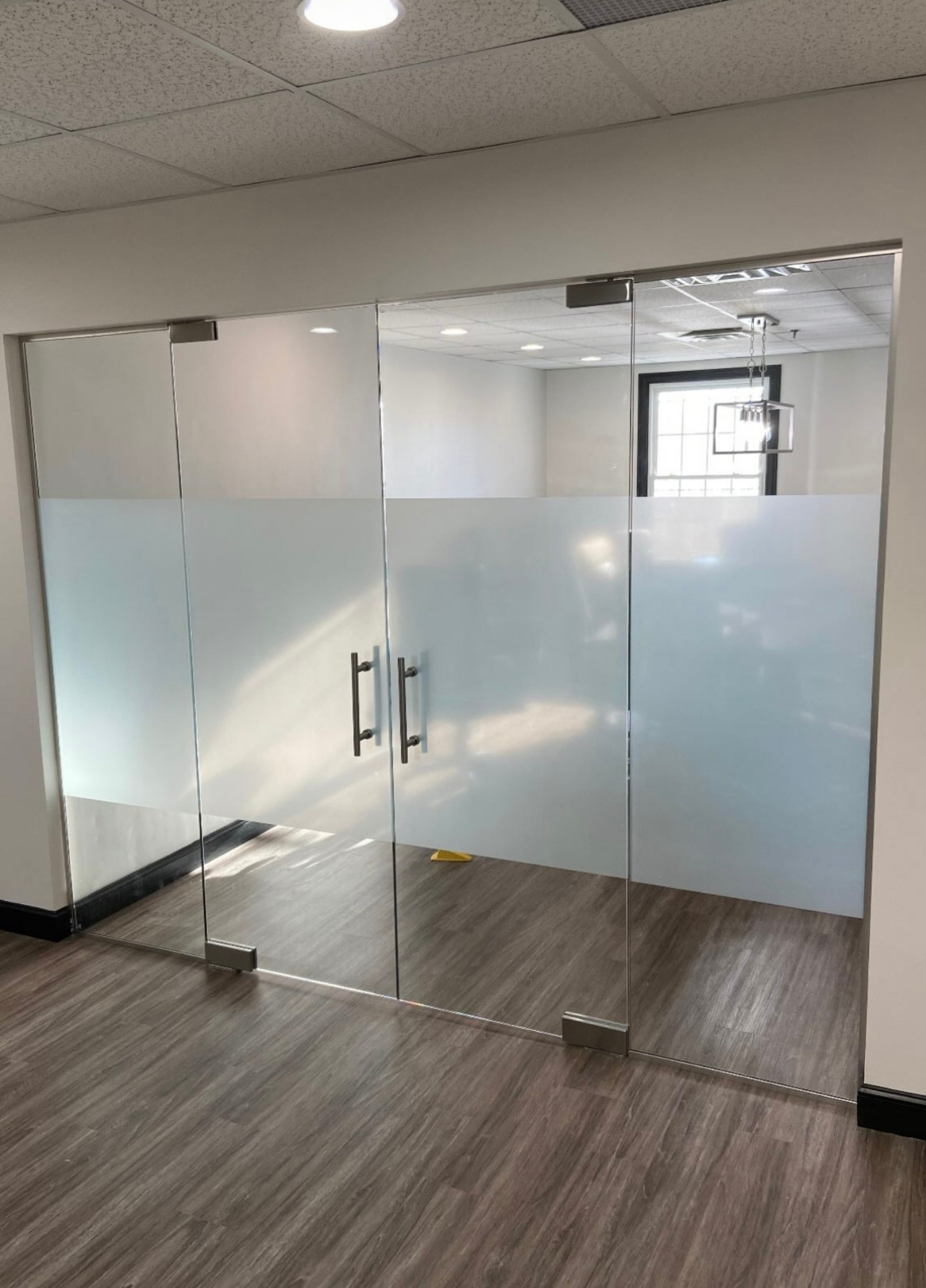
The HMI Priva-Tech Privacy Series uses InGlass Digital Printing to create controlled privacy directly within the glass by offering a clean, seamless alternative to traditional methods like sandblasting, acid wash, or applied films.
By replicating and enhancing these finishes, it delivers greater consistency, durability, and design control.
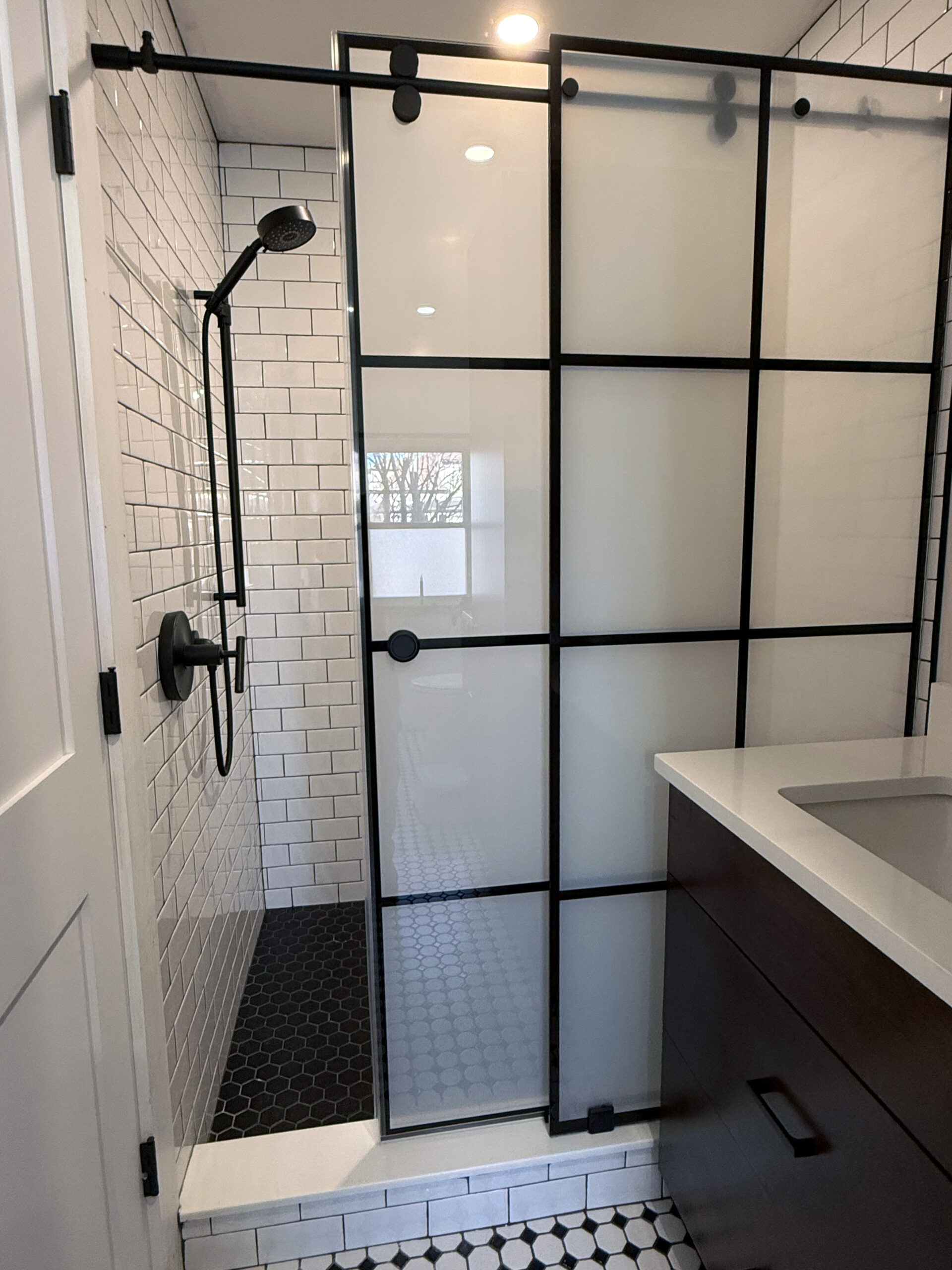
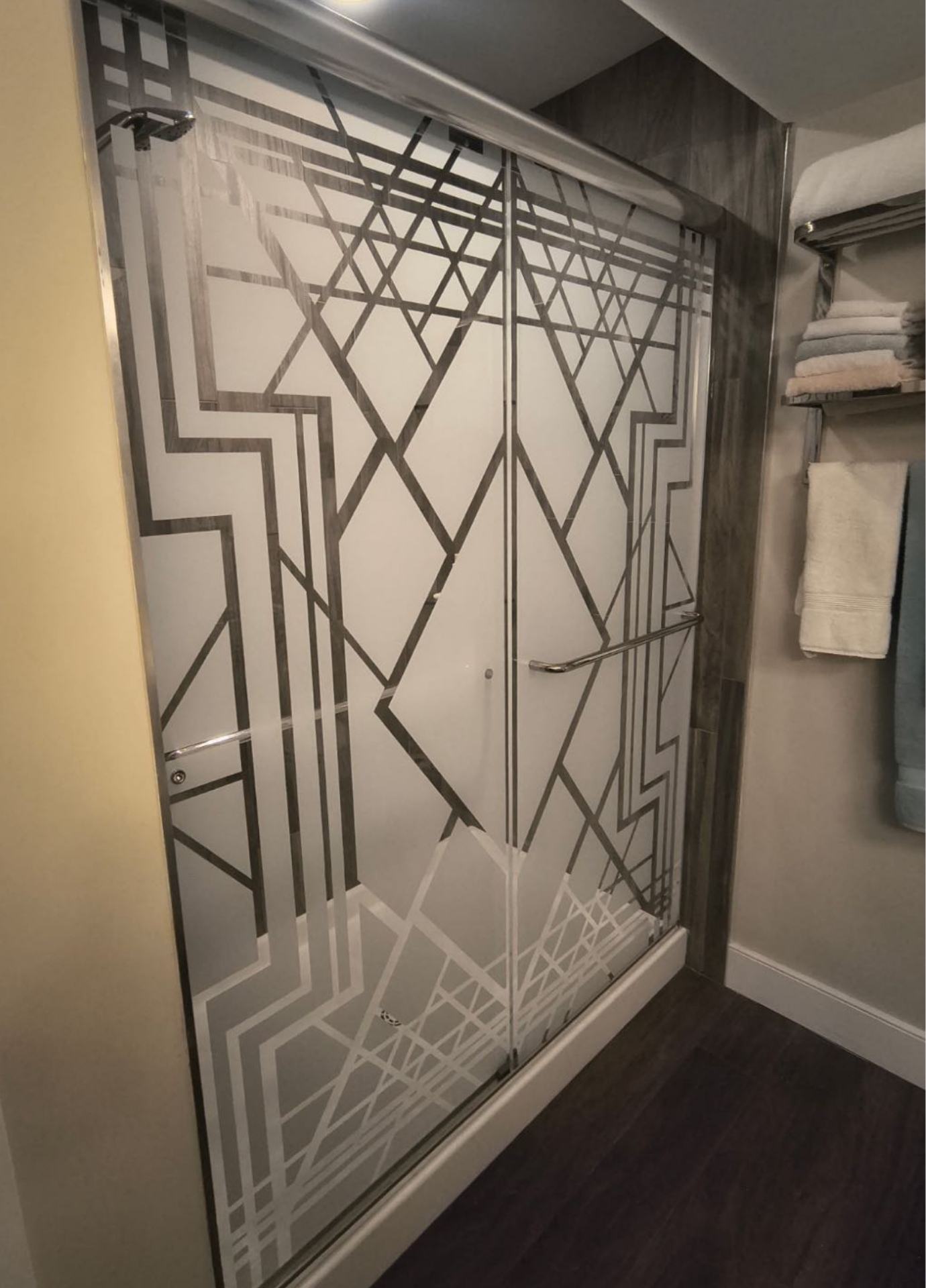
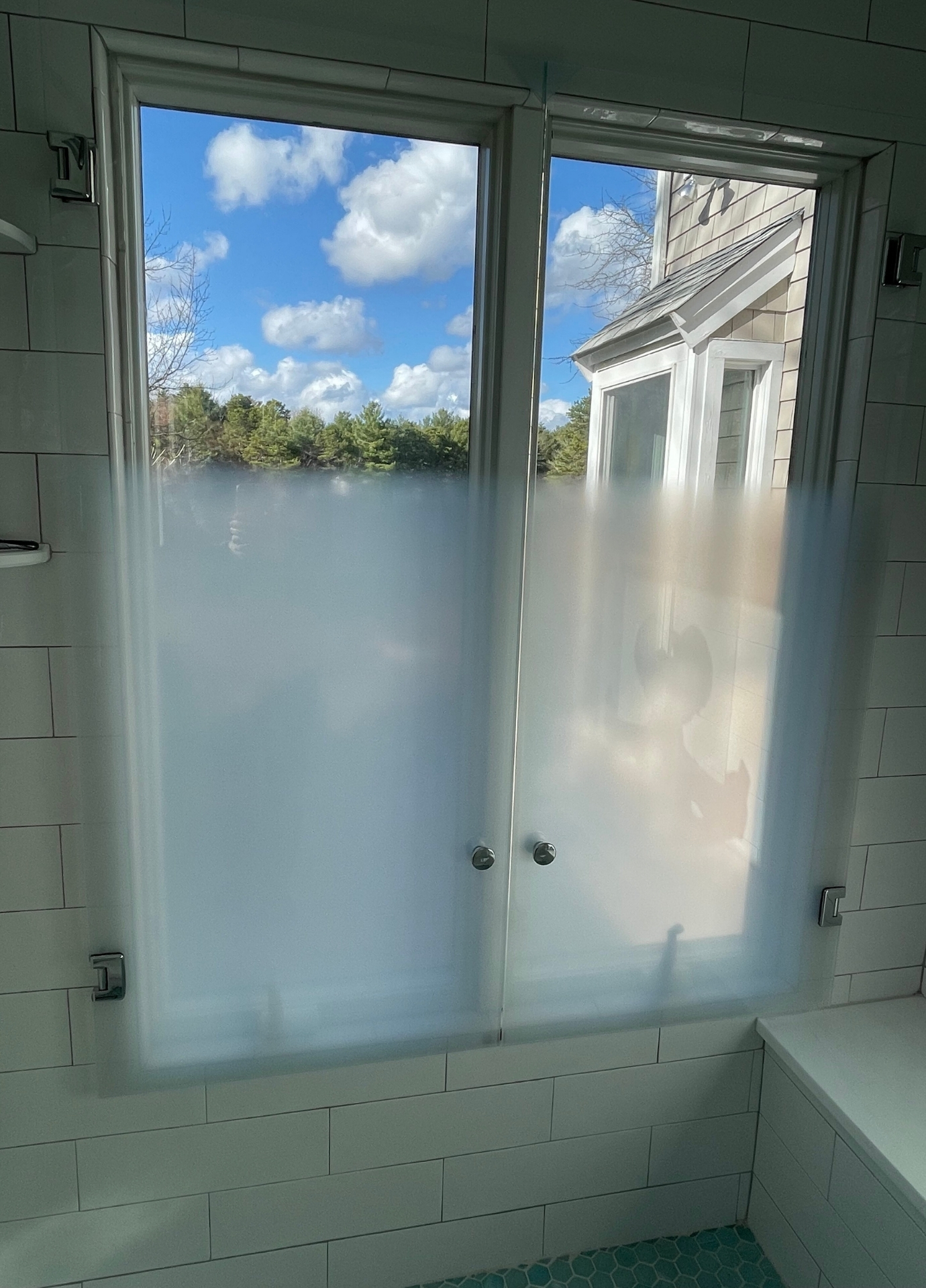
From soft frosts and subtle gradients to full coverage and custom patterns, Priva-Tech is fully customizable across opacity, color, and placement.
It’s an ideal solution for showers, shared bathrooms, partitions, and commercial settings where maintaining light while controlling visibility is essential. Bring both function and refined design into the same surface and space.
Product Details
- Custom gradient designs
- Custom color and pattern options
- Consistent opacity control
- Permanent, fused finish (no film)
- Suitable for residential and commercial use
- Can be used on interior or exterior glass applications
- Designed for use across multiple panel configurations for a cohesive look
- Determine your print area *
- Compatible with all HMI custom shower enclosures & hardware
- Compatible with HMI's C.10® glass surface protectant
*Your glass professional and/or our in house design team will assist in designing the ideal grid layout and proportions to fit your space.
Common Applications & Optional Additions
- Shower Enclosures
- Office Partitions
- Doors and Sidelites
- Commercial Interiors and Exteriors
- Railings & Balustrades
- Window Coverings
- Any interior or exterior glass application
Understanding Privacy & Frosted Glass Finishes
HMI InGlass Priva-Tech Privacy Series offers several ways to achieve a frosted or privacy effect on glass by using our digital printing technology to replicate and enhance these looks, while offering greater consistency, control, and durability.
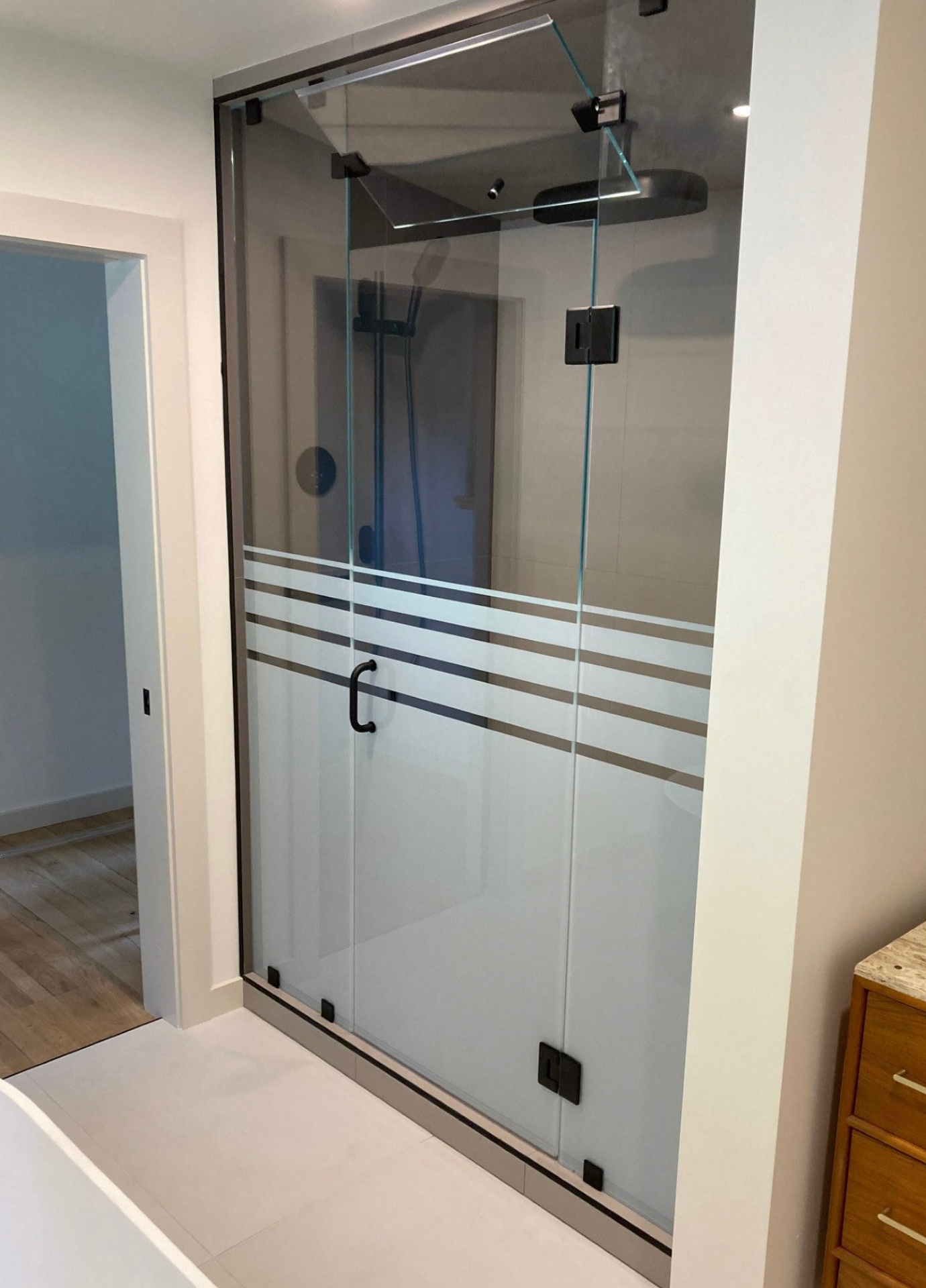
InGlass Frost
A digitally printed alternative to sandblast or acid wash glass using Signature Frost Ink for a timeless, refined etched glass appearance.
- Consistent, repeatable finish
- Resistant to staining and wear
- Fully customizable (patterns, fades, gradients)

Traditional Sandblast
A mechanical process where abrasive material is applied to the glass surface to create a frosted appearance.
- Permanent but can be inconsistent
- More prone to staining and fingerprinting

Acid Wash Glass
A softer, diffused type of float glass with a satin sheen finish.
- Ideal for modern, minimal applications
- More subtle opacity
- More prone to staining and fingerprinting
Why It Matters
Unlike traditional methods, HMI’s InGlass Priva-Tech embeds the design directly into the glass during the tempering process, creating a permanent finish that will not wear, peel, or fade over time. The result is a cleaner appearance, improved durability, and greater control over privacy, opacity, and over-all design.
Understanding the Glass Difference
Clear Glass
- Slight green hue due to standard glass
- Softer visual contrast
Low-Iron Glass
- Brighter, more neutral appearance
- Higher clarity and color accuracy
- Recommended for premium applications

Project Gallery
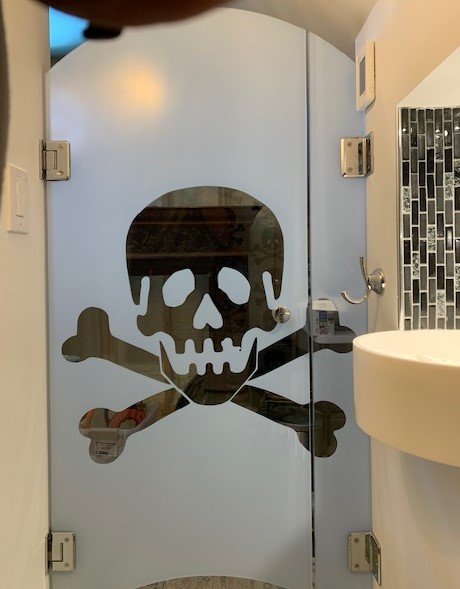
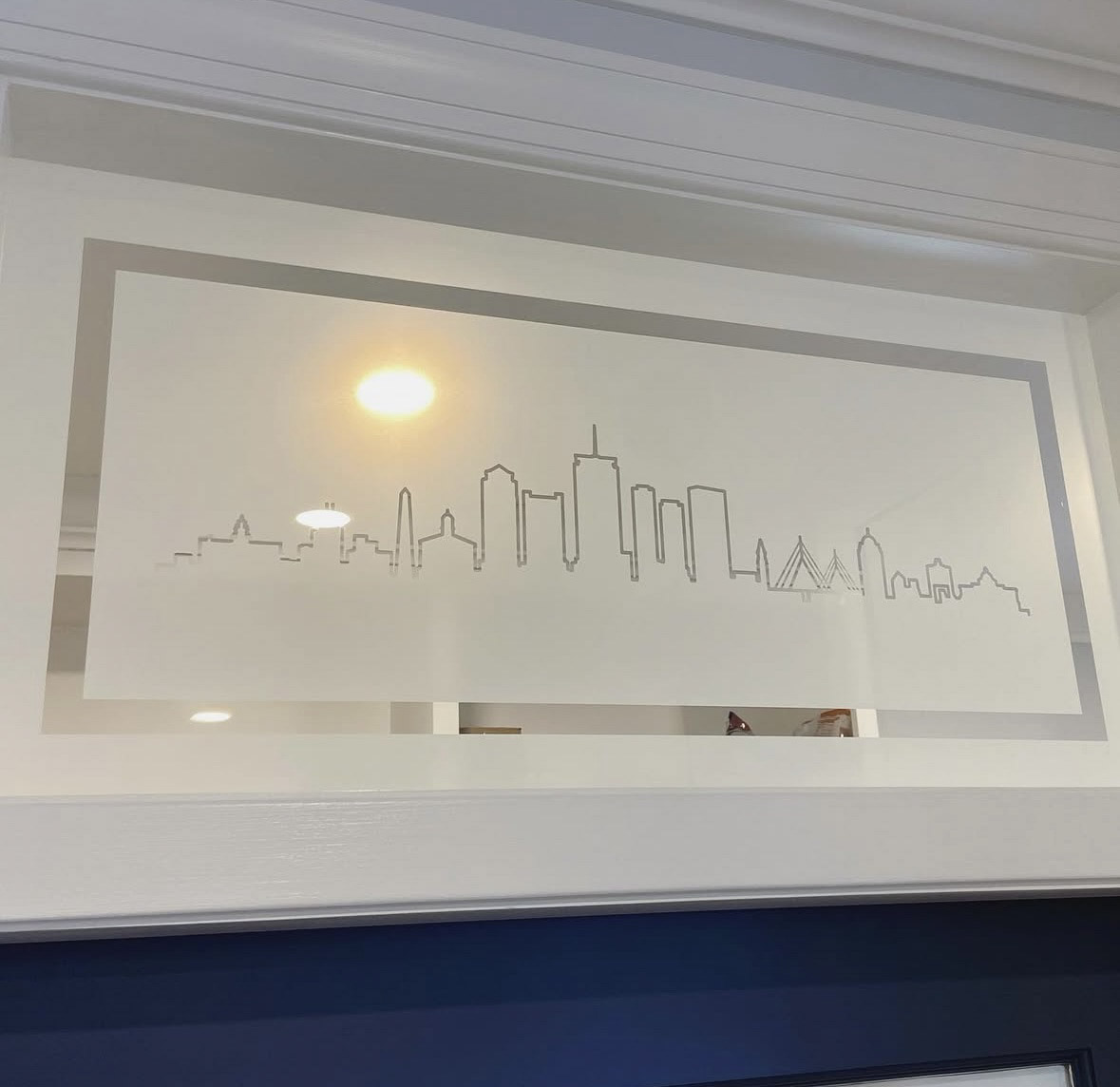
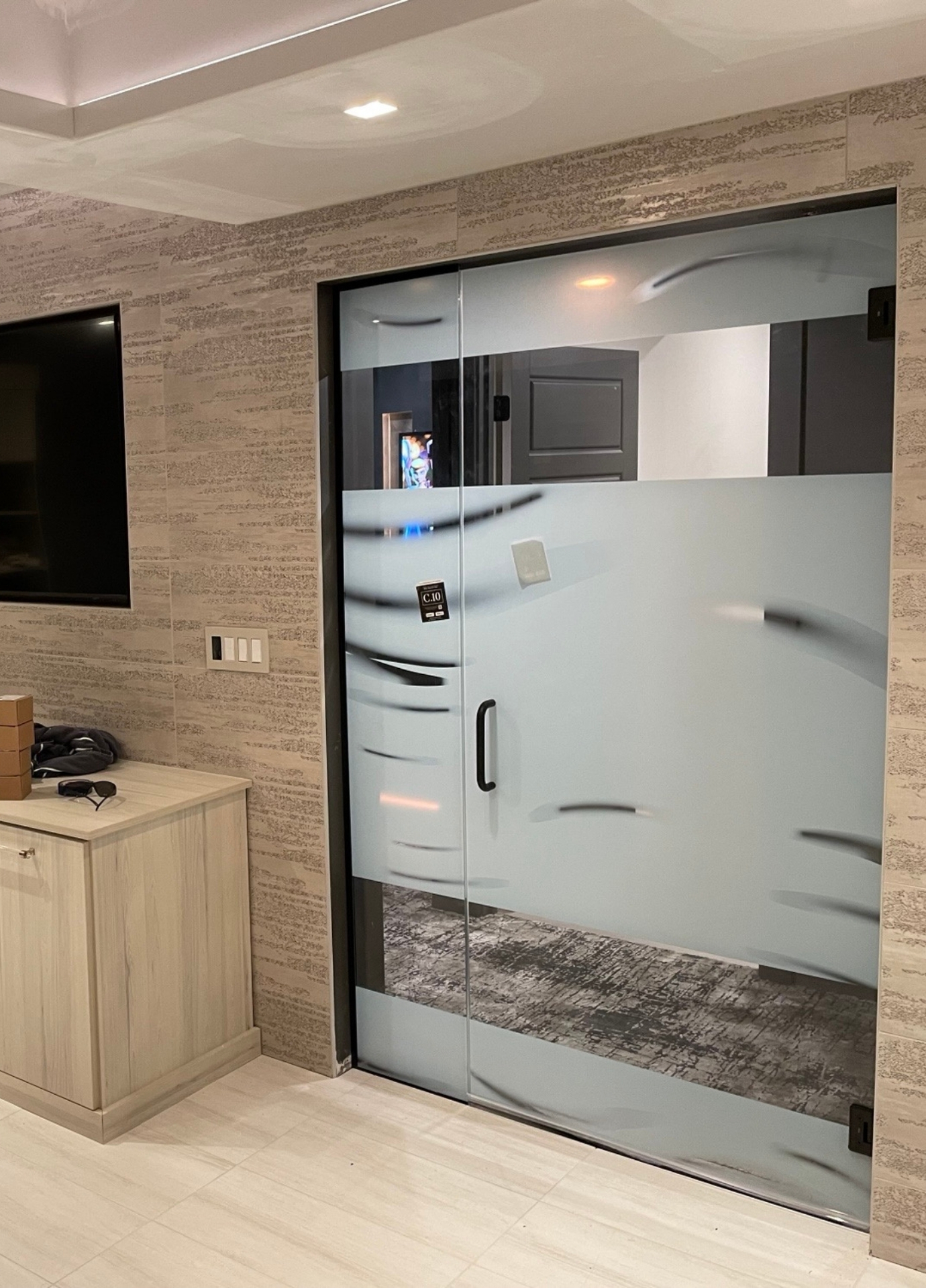
Get the privacy you need without sacrificing style. Priva-Tech™ delivers customizable coverage that enhances both function and design.
Resources
Download product guides, technical data sheets, and warranty documents.
Frequently Asked Questions
Click any question to expand the answer.
-
HMI InGlass Digital Printing uses advanced ceramic inks that are fused directly into the glass during the tempering process, creating a permanent image embedded within the glass surface.
This process differs significantly from UV surface printing, where ink is applied to the top of the glass after tempering. Surface printing can wear, scratch, or fade over time.
With InGlass Digital Printing:
- The result is a highly durable, scratch-resistant, and fade-resistant finish
- Designs maintain their appearance even in high traffic or exterior environments
- Because the print is permanently integrated into the glass, it delivers long-lasting performance and architectural-grade durability
-
HMI InGlass Digital Printing offers both design flexibility and long-term performance. Key benefits include:
- Exceptional Durability — Resistant to scratching, UV exposure, weather, and cleaning chemicals
- Permanent Design Integration — The image is fused into the glass and cannot peel or wear away
- Low Maintenance — Glass can be cleaned like any other tempered glass surface
- Unlimited Design Potential — Textures, gradients, patterns, imagery, logos, and custom artwork
- Architectural Versatility — Suitable for residential, commercial, and hospitality applications
This technology allows glass to function not only as a structural material, but also as a design element and visual focal point.
-
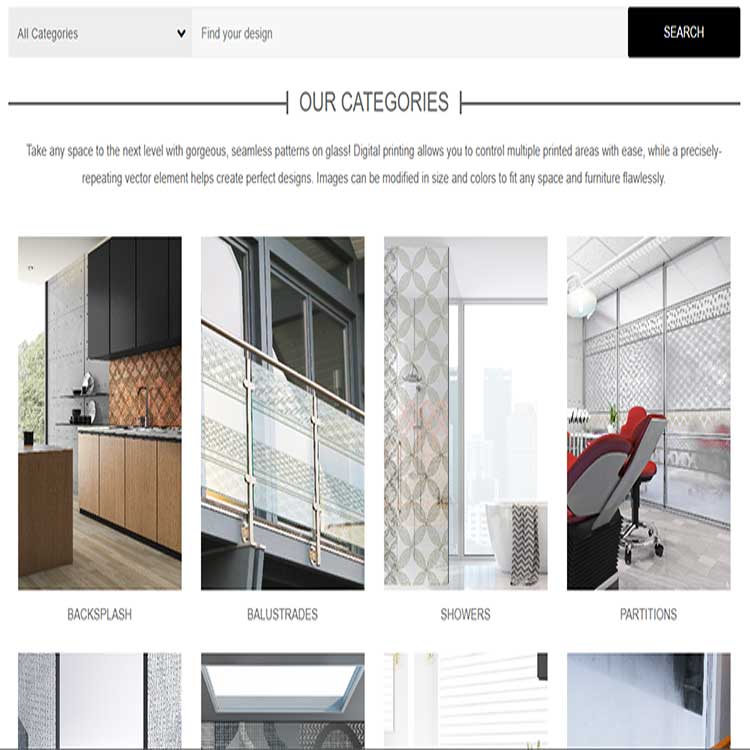
InGlass Digital Printing supports a wide range of interior and exterior architectural applications, including:
Residential Applications
- Shower Enclosures
- Backsplashes
- Decorative Glass Panels
- Doors and Partitions
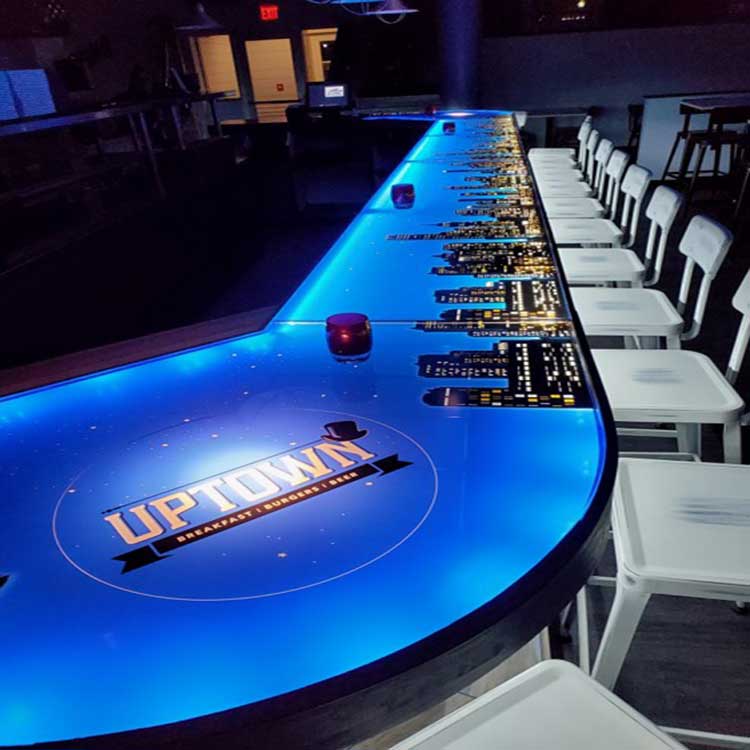
- Furniture Surfaces such as Tabletops or Countertops
- Custom Artwork or Monograms
- Wall Art
- Railings
Commercial & Hospitality Applications
- Feature Walls
- Office Partitions and Room Dividers
- Restaurant or Bar Installations
- Branded Glass with Logos or Graphics
- Decorative Railings and Balustrades
- Hotel and Hospitality Design Elements
The flexibility of digital printing allows designers, architects, and homeowners to transform glass into custom design surfaces.
-
Because the ceramic inks are fused into the glass during the tempering process, the printed design will last as long as the glass itself. Unlike surface-applied inks, InGlass Digital Printing will not peel, fade, or degrade over time. The result is a permanent design embedded within the glass that can last for decades.
-
Printed glass can be cleaned using standard glass cleaning methods. Since the ceramic inks are fused into the glass surface, the printed design is not affected by common cleaning products or chemicals. Routine cleaning with non-abrasive glass cleaners or mild solutions will maintain the appearance of the glass without damaging the printed design.
-
Yes. InGlass Digital Printing can be used in laminated glass configurations when required for safety, structural, or design purposes.
-
Yes. InGlass Digital Printing can be used to influence:
- Light Diffusion
- Privacy Levels
- Solar Control
- Energy Performance
Through carefully designed patterns, gradients, and coverage levels, printed glass can be engineered to meet both design and functional requirements.
-
Because ceramic inks must withstand the high temperatures used during the tempering process, they rely on inorganic pigments. As a result, certain colors may appear slightly different compared to printed paper or digital screens.
Typical variations include:
- Reds may appear more brick or maroon
- Yellows may appear more mustard-toned
- Some purples and bright tones may appear more muted
HMI works closely with customers to set realistic expectations and ensure the final result aligns with the intended design.
Specifications
Technical details for InGlass Digital Printing.
-
- Maximum Size: 86" × 144"
- Minimum Size: 8" × 8"
Available sizes and thicknesses may vary based on stock glass at our Louisville, KY and Boston, MA facilities. Our team will help determine the best configuration for your specific application.
-
Printed glass can be viewed from either side; however, the design is intended to be viewed through the glass for the best appearance. The printed surface may show minor variations in gloss or sheen compared to the opposite side.
Designs will appear as a mirror image when viewed from the back side of the glass. For projects with text or numbers that must be readable from both sides, we offer a specialized "Double-Vision" printing method that allows the design to appear correctly from either side.
-
Not always. Because the inks must withstand the tempering process (over 1200°F), ceramic pigments are made from inorganic materials. Currently, there is no non-toxic equivalent for magenta used in Pantone color mixing, so some colors cannot be matched exactly and slight color variation may occur.
-
It is illegal to print copyrighted material, unless you have acquired proper licensing and/or written permission from the copyright holder.
-
Vector files can be scaled to any size without losing image quality because they are created using points, lines, and curves.
Raster files (such as photos, jpeg, png, gif, tiff, psd, etc.) are made of pixels, so resolution is important. Enlarging them too much can cause pixelation. As a general guideline, artwork should be at least 100 pixels per inch at final size. For example, a 72" × 60" panel would require a minimum image size of 7200 × 6000 pixels.
Explore All InGlass Solutions





CONTACT BY EMAIL
Need help? Send an email to cayti.renaud@hmiglass.com.

CONTACT BY PHONE
Available Monday-Friday | 8 AM - 4:30 PM EST | 1-800-767-5954